📞Customer Service: +86 13248368268 📧servicecenter@suzhoufrank.com one year replacement and warranty!

Endoscopy Side Effects: What’s Normal After
Common endoscopy side effects include sore throat , bloating and fatigue. Know what's normal , how to manage discomfort and when to seek medical help.
ENDOSCOPY
Dr Qi Rui
1/6/20265 min read
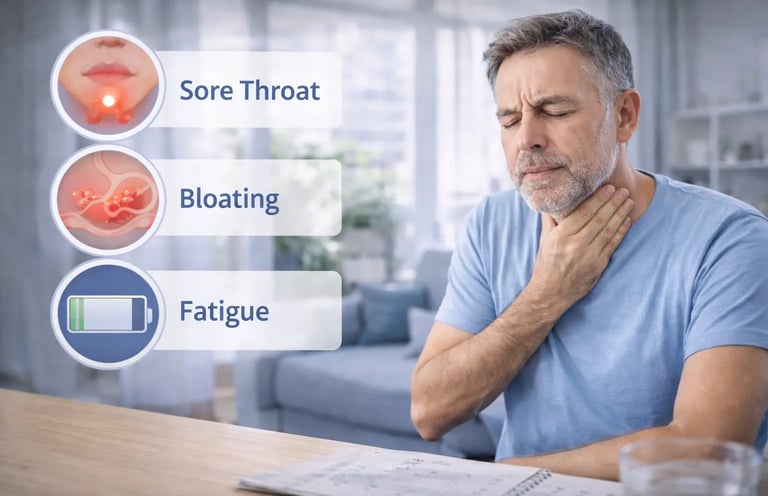
Waking up from sedation and wondering what's normal can be unsettling. That scratchy throat. The bloated feeling. The grogginess that won't quite lift. Are these expected endoscopy side effects or signs that something went wrong?
The good news: most post-endoscopy symptoms are completely normal and resolve within hours to days. Understanding which side effects are typical , how to manage them and which warning signs require urgent attention helps you recover with confidence rather than worry.
Why Side Effects Occur
Endoscopy involves passing a flexible scope through the mouth and into the digestive tract. Even when everything goes perfectly , this process creates temporary effects. The throat was touched by equipment. Air was introduced for visualization. Sedation medications are still clearing your system.
These aren't complications. They're expected consequences of a procedure that went exactly as planned. For patients wanting background on the procedure itself , reviewing what endoscopy involves provides helpful context.
True complications are different and much rarer. Distinguishing normal endoscopy side effects from genuine warning signs matters for knowing when to rest and when to seek care.
Normal Side Effects and How Long They Last
Sore Throat
The most common complaint after upper endoscopy. The scope passed through your throat , and tissues don't appreciate being touched by medical equipment , even flexible , well-lubricated equipment.
Expect: Mild to moderate soreness , scratchiness or discomfort when swallowing. Some patients describe it as similar to the beginning of a cold.
Duration: Usually 24-48 hours. Most patients feel significantly better by the next morning.
Management: Warm liquids , throat lozenges , soft foods and time. Avoid very hot or acidic foods that might irritate already-sensitive tissues. Over-the-counter pain relievers like acetaminophen help if needed.
According to the Mayo Clinic , sore throat is among the most frequently reported endoscopy side effects and rarely indicates any problem.
Bloating and Gas
During endoscopy , air is introduced to expand the digestive tract and improve visualization. That air doesn't disappear when the scope is removed.
Expect: Abdominal fullness , pressure , the need to burp or pass gas. Some patients experience mild cramping as the air moves through.
Duration: Usually resolves within a few hours. Walking helps move gas through the system faster.
Management: Walk around when you feel up to it. Avoid carbonated beverages that add more gas. Lying on your left side can help gas pass. Don't suppress the urge to burp or pass gas , this is how your body clears the air.
Grogginess and Fatigue
Sedation medications take time to fully clear your system. Even when you feel awake and alert , subtle effects persist.
Expect: Drowsiness , mental fog , slower reactions , mild confusion about time. Some patients don't remember conversations from the recovery period.
Duration: Most noticeable effects resolve within 2-4 hours. Subtle effects on judgment and reaction time can persist for 24 hours.
Management: Rest. Don't drive , operate machinery , make important decisions or sign legal documents. Have someone stay with you. The NHS recommends having a responsible adult with you for at least 12 hours after sedation.
Mild Nausea
Sedation and air in the stomach can trigger nausea in some patients.
Expect: Queasy feeling , mild upset stomach , occasionally brief vomiting.
Duration: Usually resolves within a few hours as sedation wears off and air passes.
Management: Start with clear liquids. Progress to bland foods slowly. Avoid greasy , spicy or heavy meals initially. Ginger tea or ginger ale may help settle the stomach.
Mild Cramping
Abdominal cramping after endoscopy typically relates to air distension and the body adjusting after the procedure.
Expect: Intermittent cramping that comes and goes , similar to gas pains.
Duration: Usually resolves within hours as trapped air passes.
Management: Walking , passing gas , warm (not hot) compresses on the abdomen. If cramping is significant , contact your facility for guidance.
Less Common But Still Normal
Hoarse Voice
Throat irritation can temporarily affect voice quality.
Expect: Slight raspiness or voice changes lasting a day or two.
Management: Rest your voice. Stay hydrated. It resolves on its own.
Dry Mouth
Fasting before the procedure plus sedation effects can leave you feeling parched.
Expect: Thirst and dry mouth sensations.
Management: Sip water once cleared to drink. Avoid alcohol which worsens dehydration.
Slight Bleeding
If biopsies were taken , minor bleeding is expected.
Expect: Small amount of blood if you cough or clear your throat. Trace blood in stool after colonoscopy.
Management: Monitor but don't panic. Small amounts are normal. Significant or increasing bleeding is not (see warning signs below).
Headache
Fasting , sedation and dehydration can trigger headaches in susceptible individuals.
Expect: Mild headache developing hours after the procedure.
Management: Hydrate. Eat something once cleared. Over-the-counter pain relief if needed.
Managing the First 24 Hours
The American Gastroenterological Association recommends a gradual return to normal activities after endoscopy. Here's a practical approach:
First 2 Hours:
Rest in a comfortable position. Sip clear liquids if permitted. Expect to feel groggy. Don't try to rush recovery.
Hours 2-6:
Grogginess should lift gradually. Try bland solid foods if hungry. Walk short distances to help pass gas. Rest between activities.
Hours 6-12:
Energy should return. Mild throat soreness and bloating may persist. Continue eating normally as tolerated. Stay home and avoid demanding activities.
Hours 12-24:
Most endoscopy side effects should be improving or resolved. Throat soreness may linger but should be decreasing. Resume normal diet unless instructed otherwise.
After 24 Hours:
Most patients feel entirely normal. Lingering mild throat soreness is acceptable. Any worsening symptoms at this point warrant attention.
Warning Signs: When Side Effects Aren't Normal
Normal endoscopy side effects improve with time. Warning signs either worsen or appear with features that aren't part of typical recovery.
Seek immediate medical care for:
Severe abdominal pain that doesn't improve or gets worse. Fever or chills developing after the procedure. Vomiting blood or material that looks like coffee grounds. Black , tarry stools or significant rectal bleeding. Chest pain or difficulty breathing. Severe or worsening throat pain preventing swallowing. Neck swelling or crackling sensation under the skin. Signs of allergic reaction: rash , hives , facial swelling.
Contact your endoscopy facility for guidance if:
Mild symptoms persist beyond expected timeframes. You're unsure whether something is normal. Throat soreness is severe rather than mild. Nausea prevents keeping liquids down. You have any concerns that something isn't right.
When uncertain , calling for advice is always appropriate. Facilities expect post-procedure questions and prefer hearing from concerned patients rather than having warning signs go unreported.
Why Most Side Effects Resolve Quickly
The body recovers efficiently from endoscopy because the procedure is minimally invasive. No incisions are made. No organs are removed. The scope passes through natural pathways and is removed the same way.
Throat soreness heals because mucosal tissues regenerate quickly. Bloating resolves because gas absorbs or passes naturally. Sedation effects clear because the liver metabolizes the medications efficiently.
This quick recovery is why endoscopy works as an outpatient procedure. Most patients return to normal activities the next day.
Individual Variation
Everyone responds differently. Some patients experience minimal endoscopy side effects and feel fine within hours. Others need the full 24-48 hours before feeling completely normal. Neither pattern indicates success or failure of the procedure.
Factors affecting your experience include sedation sensitivity , individual anatomy , whether biopsies were taken , baseline health and previous procedure experiences.
Don't compare your recovery to someone else's. Focus on whether your symptoms are improving over time and fall within the range of expected effects.
Conclusion
Endoscopy side effects like sore throat , bloating , grogginess and mild cramping are normal parts of recovery. They reflect what the procedure involved rather than anything going wrong. Understanding what to expect , how to manage discomfort and when symptoms cross into warning territory helps you recover appropriately.
Most patients feel entirely normal within 24 hours. If your symptoms are improving with time and don't include warning signs , you're almost certainly recovering exactly as expected.
© 2025. All rights reserved.
About Us
Introduction
Development
Cooperation
Service
Main Products
Medical Grade Monitor
No 15, Jinyang road KunshanSuzhou, Jiangsu, China