📞Customer Service: +86 13248368268 📧servicecenter@suzhoufrank.com one year replacement and warranty!

Is Endoscopy Dangerous? Risks and Safety
Is endoscopy dangerous? Serious complications are rare. Learn actual risk rates , common vs serious complications and warning signs that need medical attention.
ENDOSCOPY
Dr Qi Rui
1/4/20265 min read
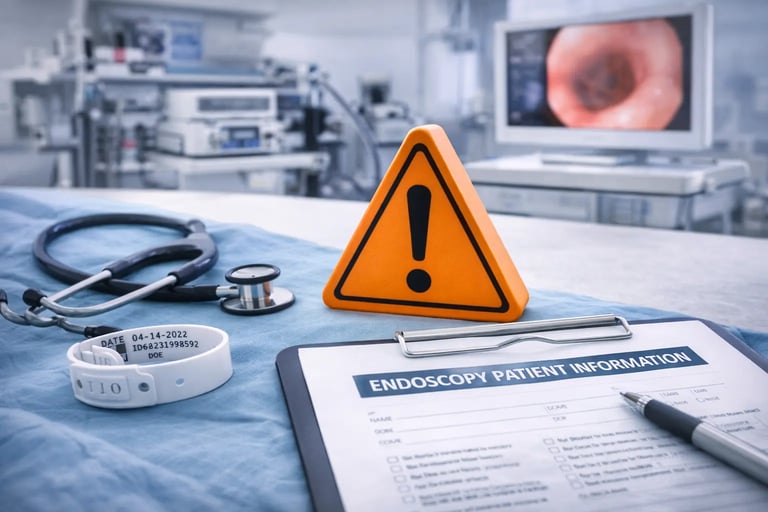
Searching "is endoscopy dangerous" before a scheduled procedure is completely understandable. Nobody wants to undergo a medical test without knowing what could go wrong. The short answer: endoscopy is considered very safe , with serious complications occurring rarely. But rare doesn't mean never , and understanding both the risks and the safety measures in place helps patients approach the procedure with realistic expectations.
This guide covers what can go wrong , how often it actually happens , what clinics do to minimize risk and which warning signs after the procedure warrant medical attention.
The Safety Profile of Endoscopy
Endoscopy ranks among the safest invasive procedures in medicine. Millions are performed annually worldwide with complication rates that most medical interventions would envy.
According to the American Society for Gastrointestinal Endoscopy , diagnostic upper endoscopy carries a complication rate of approximately 1 in 1,000 procedures. Colonoscopy , another common endoscopic procedure , has similarly low complication rates for diagnostic examinations.
These numbers matter for perspective. Is endoscopy dangerous compared to driving to the appointment? Statistically , the drive likely poses greater risk. That doesn't mean complications never occur , but it frames the actual probability appropriately.
For patients wanting to understand what endoscopy involves before focusing on risks , reviewing the basics helps contextualize safety discussions.
Common Risks and Their Frequency
Most endoscopy complications fall into predictable categories. Understanding each helps patients recognize what's normal versus what requires attention.
Sore Throat and Discomfort
Upper endoscopy commonly causes mild throat soreness lasting a day or two. This isn't really a complication but an expected consequence of passing a scope through the throat. It resolves without treatment and doesn't indicate anything went wrong.
Bloating and Gas
Air introduced during the procedure to improve visualization can cause temporary bloating , cramping and the need to pass gas. This is normal , expected and resolves within hours. Walking often helps.
Mild Bleeding
Minor bleeding can occur , especially if biopsies were taken. Small amounts of blood in stool after colonoscopy or slight throat irritation after upper endoscopy typically resolve spontaneously. This differs from significant bleeding discussed below.
Reaction to Sedation
Most endoscopies use sedation to ensure patient comfort. Sedation-related effects like grogginess , mild nausea or temporary confusion are common and expected. These aren't complications but normal sedation responses that resolve as medications wear off.
Rare But Serious Complications
Serious complications are uncommon but do occur. Knowing what they are helps patients seek appropriate care if warning signs develop.
Perforation
A perforation is a hole or tear in the gastrointestinal tract wall. This is the complication that makes people ask "is endoscopy dangerous" in the first place. The Mayo Clinic reports perforation rates of roughly 1 in 2,500 to 1 in 11,000 for diagnostic upper endoscopy , with slightly higher rates when therapeutic interventions are performed.
Perforation is serious and typically requires hospitalization. Many cases can be managed conservatively or with endoscopic repair. Some require surgery. The key is recognizing symptoms early: severe abdominal pain , fever , chills or feeling generally unwell after the procedure should prompt immediate medical evaluation.
Significant Bleeding
While minor bleeding is common after biopsies , significant bleeding requiring intervention is rare. Risk increases when polyps are removed or other therapeutic procedures are performed. Signs include passing large amounts of blood , bloody vomit , dizziness or weakness.
The National Institute of Diabetes and Digestive and Kidney Diseases notes that bleeding complications occur in fewer than 1% of procedures and are more likely with therapeutic interventions than diagnostic examinations.
Infection
Infection following endoscopy is rare due to rigorous equipment cleaning and sterilization protocols. When infections occur , they may relate to bacteria introduced during the procedure or transmission between patients if equipment isn't properly reprocessed.
Reputable facilities follow strict disinfection guidelines that make infection transmission extremely unlikely. Patients concerned about infection risk can ask about a facility's reprocessing protocols.
Aspiration
Aspiration occurs when stomach contents enter the lungs , typically during upper endoscopy. Fasting requirements before the procedure minimize this risk. Patients who follow preparation instructions face very low aspiration risk.
Cardiopulmonary Events
Sedation affects breathing and heart function. Monitoring during the procedure catches concerning changes before they become dangerous. Serious cardiopulmonary events are rare but more common in patients with underlying heart or lung conditions.
What Makes Endoscopy Safe?
The low complication rates don't happen by accident. Multiple safety layers protect patients throughout the endoscopy process.
Pre-Procedure Assessment
Before scheduling , clinicians review medical history , medications and conditions that might increase risk. Patients with bleeding disorders , heart conditions or respiratory problems may need modified approaches or additional precautions.
Preparation Protocols
Fasting requirements ensure empty stomachs that reduce aspiration risk. Bowel preparation for colonoscopy provides clear visualization that makes the procedure safer and more effective.
Monitoring During Procedures
Continuous monitoring of heart rate , blood pressure , oxygen levels and breathing provides early warning of any concerning changes. Trained staff respond immediately to any abnormalities.
Equipment Quality and Maintenance
Modern endoscopes incorporate safety features that earlier generations lacked. Facilities that invest in quality equipment and maintain it properly reduce equipment-related complications.
Reprocessing Standards
Strict cleaning and disinfection protocols between patients prevent infection transmission. Accredited facilities follow established guidelines that make equipment-related infections extremely rare.
Staff Training and Experience
Endoscopist skill affects complication rates. Higher-volume practitioners performing procedures regularly typically have lower complication rates than those who perform them occasionally.
Warning Signs After Endoscopy
Most patients recover uneventfully. But certain symptoms after the procedure warrant prompt medical attention:
Seek immediate care for:
Severe or worsening abdominal pain that doesn't improve with time. Fever or chills developing hours to days after the procedure. Vomiting blood or material that looks like coffee grounds. Passing large amounts of blood or dark tarry stools. Chest pain or difficulty breathing. Increasing pain , redness or swelling at IV sites.
Normal symptoms that resolve:
Mild sore throat lasting 1-2 days. Bloating and gas for several hours. Grogginess from sedation wearing off over hours. Minor cramping that improves with walking and time. Small amounts of blood if biopsies were taken.
When uncertain whether symptoms are concerning , calling the endoscopy facility or seeking medical evaluation is always appropriate. Facilities provide contact information for post-procedure questions specifically because distinguishing normal from abnormal isn't always obvious.
Factors That Affect Individual Risk
Not everyone faces identical risk. Several factors influence individual complication probability:
Procedure Type
Diagnostic procedures examining the GI tract carry lower risk than therapeutic procedures removing polyps , dilating strictures or treating bleeding. More complex interventions mean more opportunity for complications.
Patient Health
Underlying conditions affect risk. Heart disease , lung disease , bleeding disorders and other medical problems may increase complication probability. This is why pre-procedure assessment matters.
Age
Very elderly patients may face slightly elevated risk , though healthy older adults tolerate endoscopy well. Age alone doesn't preclude endoscopy but factors into risk-benefit discussions.
Medications
Blood thinners and antiplatelet medications increase bleeding risk. Management of these medications around the procedure requires careful planning with the medical team.
Reducing Your Risk
Patients can take steps to minimize their personal risk:
Follow preparation instructions exactly. Fasting and bowel prep requirements exist for safety reasons. Disclose all medications , supplements and health conditions. Information the team doesn't have can't factor into safety planning. Arrange appropriate transportation. Sedation impairs driving ability for the rest of the day. Ask questions. Understanding the procedure reduces anxiety and ensures informed consent.
The Perspective That Matters
Is endoscopy dangerous? In absolute terms , some risk exists. In relative terms , endoscopy is remarkably safe , with serious complications affecting a tiny fraction of patients. The diagnostic and therapeutic benefits typically far outweigh the small risks involved.
The question worth asking isn't whether risk exists but whether the potential benefits justify accepting that small risk. For patients with symptoms requiring evaluation or screening needs , the answer is usually yes.
Why Equipment Quality Matters
Behind every safe endoscopy is equipment designed , manufactured and maintained to exacting standards. Facilities that prioritize quality imaging systems , reliable scopes and properly maintained infrastructure contribute to the safety statistics patients rely upon.
Suzhou Frank Medical supplies endoscopy equipment to facilities committed to patient safety. From visualization systems to complete endoscopy solutions , quality equipment forms part of the safety foundation patients deserve. Facilities can explore the full product range or contact us to discuss specific requirements.
Conclusion
Endoscopy carries real but small risks. Serious complications are rare. Safety measures at every stage , from pre-procedure assessment through recovery monitoring , minimize what risk exists. Patients who understand both the risks and the safety infrastructure can approach their procedure with appropriate confidence.
© 2025. All rights reserved.
About Us
Introduction
Development
Cooperation
Service
Main Products
Medical Grade Monitor
No 15, Jinyang road KunshanSuzhou, Jiangsu, China