📞Customer Service: +86 13248368268 📧servicecenter@suzhoufrank.com one year replacement and warranty!

What to Eat After Endoscopy
What to eat after endoscopy? Start with clear liquids , then soft foods like soup , yogurt and eggs. Learn what to avoid and when to resume normal eating.
ENDOSCOPY
Dr Qi Rui
12/24/20255 min read
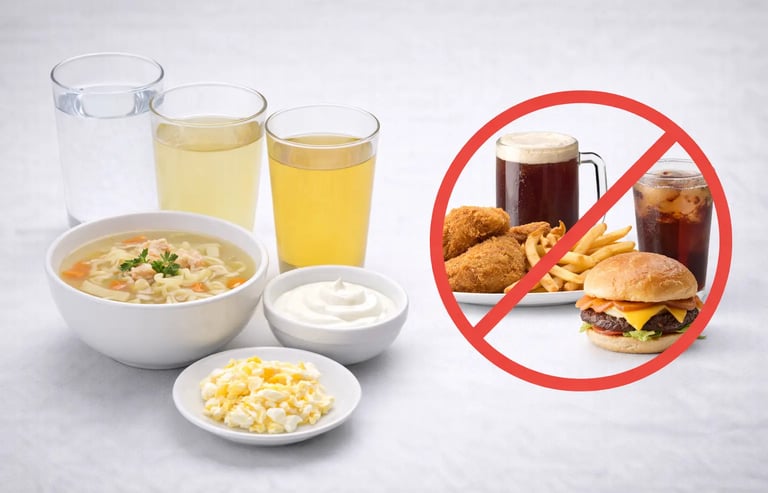
One of the first questions patients ask after waking up from an endoscopy is simple: when can I eat , and what should I have? After fasting for hours before the procedure , hunger kicks in quickly. But the throat may feel scratchy , the stomach might be unsettled and the sedation is still wearing off. Knowing what to eat after endoscopy helps avoid discomfort and supports smooth recovery.
The good news is that most patients can eat relatively soon after the procedure. There's no lengthy restriction period. However , choosing the right foods during the first day or two makes a real difference in how recovery feels.
When Can Eating Resume?
Most patients can start eating within an hour or two after endoscopy , once the sedation effects diminish and any throat numbness wears off. Understanding what endoscopy involves helps explain why this brief waiting period matters.
During the procedure , a local anesthetic spray often numbs the throat to suppress the gag reflex. This numbness typically lasts 30 minutes to an hour after the examination ends. Eating or drinking while the throat is still numb increases the risk of choking or aspiration since normal swallowing reflexes aren't fully functional.
The sedation also needs time to clear. While patients may feel awake in recovery , coordination and reflexes remain impaired for several hours. Starting with small sips of water and progressing slowly to food is the safest approach. According to Baptist Health , patients shouldn't eat or drink until they can comfortably swallow , and meals should remain small and light for 24 to 48 hours after the procedure. If specific dietary restrictions apply based on findings or interventions , the physician will communicate these directly.
What to Eat After Endoscopy: The First Few Hours
The first meal after endoscopy should be gentle on the system. The throat may be irritated from the scope passing through. The stomach might feel slightly bloated from air introduced during the examination. Heavy , spicy or acidic foods can aggravate these temporary effects.
Start with clear liquids. Water , clear broths , apple juice , herbal tea and similar options help rehydrate without stressing the digestive system. Warm liquids often feel particularly soothing on a mildly sore throat. Avoid very hot beverages that might irritate sensitive tissues.
Progress to soft foods. Once clear liquids go down comfortably , soft foods make a good next step. Options include yogurt , applesauce , mashed potatoes , scrambled eggs , oatmeal , smoothies , pudding and soup. These foods require minimal chewing and are easy to swallow even with mild throat discomfort. The NHS advises waiting at least an hour before eating or drinking if a local anaesthetic spray was used. Most patients tolerate a light meal within a few hours of the procedure without difficulty. The key is listening to the body and not forcing food if nausea or discomfort persists.
Foods to Avoid After Endoscopy
Certain foods can worsen post-procedure discomfort. Knowing what not to eat after endoscopy matters as much as knowing what to eat.
Spicy foods irritate the throat and stomach lining. The digestive tract has just been examined with a scope , and adding capsaicin or strong spices to the mix can cause burning discomfort.
Acidic foods like citrus fruits , tomatoes and vinegar-based items can aggravate throat irritation. Orange juice might seem like a healthy choice , but its acidity often causes stinging in a tender throat.
Crunchy or hard foods require significant chewing and can scratch an irritated throat. Chips , crackers , raw vegetables , crusty bread and similar items are best avoided for the first day.
Fatty or fried foods take longer to digest and may worsen any bloating from residual air in the stomach. Heavy meals can also trigger nausea while sedation effects linger.
Alcohol should be avoided for at least 24 hours. It interacts with residual sedation medications and can impair judgment and coordination. Most facilities provide explicit instructions to avoid alcohol on the day of the procedure.
Carbonated beverages may worsen bloating. The additional gas from fizzy drinks adds to any air already in the stomach from the procedure.
What to Eat the Day After Endoscopy
By the day after the procedure , most patients can return to normal eating. The throat soreness typically resolves within 24 to 48 hours. Any bloating from the examination has passed. The digestive system is ready for regular foods.
That said , easing back gradually makes sense. We recommend focusing on easily digestible foods when recovering from any procedure affecting the GI tract. A reasonable progression looks like this:
Breakfast options: Oatmeal with banana , yogurt with soft fruit , scrambled eggs , smoothies , toast with a mild spread.
Lunch options: Soup with soft vegetables , grilled chicken with mashed potatoes , pasta with light sauce , sandwiches on soft bread.
Dinner options: Baked fish with rice , steamed vegetables , lean proteins prepared without heavy spices , mild curries or stews.
Within 48 hours , most patients tolerate their usual diet without issues. Individual variation exists , so paying attention to how specific foods feel remains important.
Special Dietary Considerations
Certain situations call for modified dietary recommendations after endoscopy.
If biopsies were taken , the physician may recommend softer foods for slightly longer. Biopsy sites are small and typically heal quickly , but avoiding rough or scratchy foods for an extra day provides added protection.
If a therapeutic procedure was performed , such as polyp removal , dilation of a stricture or treatment of bleeding , dietary restrictions may be more specific. The medical team will provide individualized instructions in these cases. Following these guidelines carefully supports proper healing.
If nausea persists , sticking with clear liquids longer makes sense. Persistent nausea beyond a few hours is uncommon but can occur. Ginger tea or ginger ale (flat , to avoid carbonation issues) may help settle the stomach.
If the throat remains very sore , cold foods sometimes provide more relief than warm options. Ice cream , frozen yogurt , cold smoothies and popsicles can soothe irritation. These aren't nutritional powerhouses , but comfort matters during recovery.
Hydration Matters
Adequate fluid intake after endoscopy deserves emphasis. Fasting before the procedure and the procedure itself can leave patients mildly dehydrated. The sedation may suppress thirst cues temporarily.
Focus on drinking plenty of fluids throughout the rest of the day. Water is ideal. Herbal tea , diluted juice , clear broth and electrolyte drinks also work well. Aim for at least 8 glasses of fluid during the 24 hours following the procedure.
Proper hydration helps flush residual sedation medications from the system , reduces fatigue and supports overall recovery. Patients who stay well-hydrated often feel better faster than those who don't prioritize fluids.
When to Seek Medical Advice
Dietary issues after endoscopy are usually minor and self-limiting. However , certain symptoms warrant contacting the physician.
Severe throat pain that prevents swallowing liquids or worsens significantly over time isn't normal. Mild soreness is expected , but severe pain could indicate a problem.
Persistent nausea or vomiting lasting more than several hours may need evaluation. Occasional mild nausea is common , but ongoing vomiting is not.
Abdominal pain that is severe or worsening could signal a complication. Mild bloating and cramping are typical. Sharp , intense pain is not.
Fever developing after the procedure should prompt a call to the medical team.
Difficulty swallowing that doesn't improve as throat numbness wears off warrants attention. According to Guy's and St Thomas' NHS Foundation Trust , patients can typically eat and drink as normal once swallowing feels comfortable again , usually within about 45 minutes. Most recover without any complications. But knowing when to seek help ensures prompt attention if something unusual occurs.
A Simple Recovery Approach
Recovery eating after endoscopy doesn't require complicated planning. Start with clear liquids once cleared by medical staff. Progress to soft , bland foods as tolerated. Avoid spicy , acidic , crunchy and fatty items for the first day. Return to normal eating within 24 to 48 hours.
Listen to what the body signals. If something doesn't feel right going down , wait a bit longer or choose something gentler. Hunger will return quickly after the pre-procedure fast , but patience with food choices pays off in smoother recovery.
The endoscopy itself is the challenging part. Eating afterward should be the easy part. Choose gentle foods , stay hydrated and let the body recover at its own pace.
© 2025. All rights reserved.
About Us
Introduction
Development
Cooperation
Service
Main Products
Medical Grade Monitor
No 15, Jinyang road KunshanSuzhou, Jiangsu, China