📞Customer Service: +86 13248368268 📧servicecenter@suzhoufrank.com one year replacement and warranty!
Endoscopy Preparation: Complete Checklist
Preparing for endoscopy? Follow this checklist covering food restrictions , medication management , transportation and do's and don'ts for a smooth procedure.
ENDOSCOPY
Dr Qi Rui
1/5/20266 min read
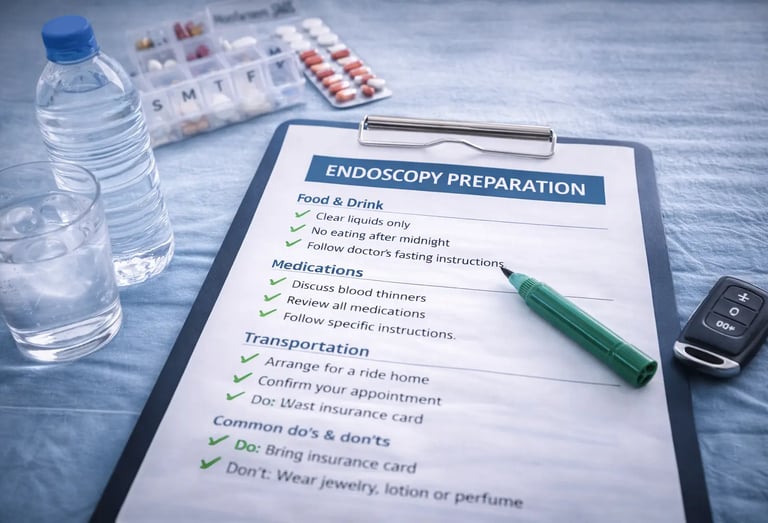
Good endoscopy preparation makes the difference between a smooth procedure and a cancelled appointment. Follow the instructions correctly and everything goes as planned. Miss a step and the doctor may not get the clear view needed , or worse , the procedure gets rescheduled entirely.
This checklist covers what most patients need to know: when to stop eating , what to do about medications , how to arrange the day and common mistakes to avoid. Your endoscopy team will provide specific instructions that may differ slightly , but understanding the general framework helps you prepare with confidence.
Why Endoscopy Preparation Matters
Proper preparation isn't bureaucratic box-checking. Each instruction exists for specific medical reasons.
Fasting ensures an empty stomach. For upper endoscopy , food in the stomach obscures the view and increases aspiration risk , where stomach contents could enter the lungs during sedation. The Cleveland Clinic explains that even small amounts of food or liquid can compromise both safety and diagnostic accuracy.
For patients unfamiliar with the procedure itself , reviewing what endoscopy involves provides helpful context before focusing on preparation details.
Medication adjustments prevent complications. Blood thinners increase bleeding risk if biopsies are taken. Diabetes medications need modification when you're not eating. Some supplements interfere with sedation or bleeding.
Transportation arrangements ensure safety. Sedation impairs judgment and reaction time for hours after it wears off. Driving yourself home isn't just inadvisable , many facilities won't perform the procedure without confirmed transportation.
The Fasting Timeline
Fasting requirements for upper endoscopy follow a general pattern , though your facility may specify slightly different timeframes.
8 Hours Before: Stop Solid Food
No meals , snacks or anything requiring chewing. This includes seemingly innocent items like gum and hard candy. Your stomach needs time to empty completely.
6 Hours Before: Stop Non-Clear Liquids
Milk , juice with pulp , smoothies , protein shakes and similar drinks stop here. These take longer to clear from the stomach than water.
2-4 Hours Before: Stop Clear Liquids
Water , clear broth , black coffee , tea without milk and clear apple juice are typically allowed until 2-4 hours before the procedure. Check your specific instructions , as some facilities require longer fasting for clear liquids.
What Counts as Clear Liquid?
If you can see through it , it's probably clear. Water , clear broths , plain gelatin (not red or purple) , clear juices without pulp , black coffee and plain tea qualify. Anything with color that could be mistaken for blood (red or purple) should be avoided.
The American College of Gastroenterology provides patient education resources confirming these general guidelines while noting that individual facilities may have specific protocols.
Medication Management
Endoscopy preparation gets complicated when regular medications enter the picture. Never stop prescribed medications without guidance from your medical team.
Blood Thinners and Antiplatelet Drugs
Warfarin , Eliquis , Xarelto , Plavix and aspirin require specific instructions. Some patients stop these medications several days before the procedure. Others continue them. The decision depends on why you take them , what the endoscopy might involve and your individual bleeding risk.
Contact your prescribing physician and the endoscopy facility well in advance , not the night before. Adjusting blood thinners requires planning.
Diabetes Medications
Insulin and oral diabetes medications need adjustment when you're fasting. Taking your usual dose without eating risks dangerous low blood sugar. Your doctor will provide modified dosing instructions for the fasting period.
Check blood sugar more frequently on procedure day. Bring glucose tablets or juice to the facility in case levels drop too low.
Blood Pressure Medications
Most blood pressure medications can be taken on schedule with a small sip of water. However , some diuretics (water pills) might be held to avoid needing the bathroom during the procedure. Confirm with your team.
Other Common Medications
Thyroid medications , seizure medications and heart medications are typically taken as usual. Acid-reducing medications like omeprazole may be continued or stopped depending on what the endoscopy is investigating.
Supplements and Herbs
Stop fish oil , vitamin E , ginkgo , garlic supplements and other products that affect bleeding about a week before the procedure. Iron supplements can darken stool and may be stopped before colonoscopy. Disclose everything you take , even if it seems unrelated.
The Day Before Your Procedure
Endoscopy preparation extends beyond fasting. The day before involves several practical considerations.
Confirm Your Appointment
Verify the time , location and any last-minute instructions. Know where to park or be dropped off. Have the facility's phone number accessible.
Arrange Transportation
Someone must drive you home. Taxis and rideshares may be acceptable at some facilities , but many require a responsible adult to receive discharge instructions and stay with you afterward. Clarify your facility's requirements.
Public transportation after sedation isn't safe or appropriate. Plan accordingly.
Prepare Comfortable Clothing
Wear loose , comfortable clothes with easy access for IV placement (short sleeves or sleeves that roll up easily). Leave jewelry , watches and valuables at home.
Complete Any Required Bowel Preparation
If you're having a colonoscopy or lower endoscopy , bowel preparation involves drinking prescribed solutions and staying close to the bathroom. This doesn't apply to upper endoscopy , which examines the esophagus , stomach and upper small intestine.
Procedure Day Checklist
Morning Tasks:
Shower normally. Skip lotions , perfumes and deodorants if instructed. Remove contact lenses and wear glasses instead. Leave jewelry at home. Bring photo ID and insurance cards. Bring a list of current medications. Bring any required paperwork or forms.
What NOT to Bring:
Valuables or large amounts of cash. Work materials or anything requiring mental focus afterward. Expectations of driving yourself anywhere.
At the Facility:
Arrive at the time specified , which is usually 30-60 minutes before the procedure itself. You'll change into a gown , have an IV placed and meet the endoscopy team. This is your opportunity to ask any final questions.
According to Johns Hopkins Medicine , the intake process includes reviewing your medical history , confirming fasting compliance and discussing the sedation plan. Being honest about whether you followed preparation instructions matters , even if it means rescheduling.
Common Mistakes to Avoid
Endoscopy preparation failures often stem from avoidable oversights.
Mistake: Forgetting About Small Bites
Sneaking a few crackers or finishing a child's leftovers seems insignificant but can delay gastric emptying enough to cancel the procedure.
Mistake: Assuming Clear Liquid Means Any Drink
Milk in coffee isn't clear. Orange juice with pulp isn't clear. When instructions say clear liquids , they mean genuinely transparent drinks.
Mistake: Stopping Medications Without Guidance
Stopping blood pressure medication because you're fasting can cause dangerous spikes. Stopping seizure medication risks breakthrough seizures. Always get specific instructions rather than guessing.
Mistake: Not Confirming Transportation
Your ride falling through at the last minute may mean cancellation. Have a backup plan.
Mistake: Ignoring Herbal Supplements
That daily fish oil or turmeric supplement you forgot to mention could increase bleeding risk. Disclose everything.
Mistake: Eating Red or Purple Foods
Red gelatin or grape juice before colonoscopy can look like blood in the colon. Stick to clear , light-colored options.
What Happens If You Don't Follow Instructions
Breaking fasting rules doesn't just waste time , it creates safety risks. Food in the stomach during sedation can be aspirated into the lungs , causing aspiration pneumonia. Residue obscures the view , potentially hiding important findings.
If you accidentally ate or drank when you shouldn't have , tell the facility immediately. They'll advise whether to proceed , delay or reschedule. Honest disclosure protects you more than hoping nobody notices.
After the Procedure
Recovery involves its own guidelines. Sedation effects linger for hours , even when you feel normal. Avoid driving , signing legal documents , making important decisions or operating machinery for the rest of the day.
Eating resumes gradually. Most patients start with light , easily digestible foods. For detailed guidance on resuming normal eating , see what to eat after endoscopy.
Someone should stay with you for several hours after returning home. Late sedation effects can include drowsiness , unsteady walking or confusion.
Special Situations
Morning vs Afternoon Procedures
Afternoon appointments don't mean you can eat breakfast. Fasting requirements count backward from procedure time , so a 2 PM endoscopy still means stopping solid food by 6 AM.
Anxiety About the Procedure
Endoscopy preparation includes mental preparation. If anxiety is significant , discuss it with your team. Knowing what to expect often helps. Some patients benefit from mild anti-anxiety medication before arriving.
Previous Difficult Experiences
If prior endoscopies involved complications , difficult sedation or other issues , inform the team. They can adjust their approach accordingly.
Your Preparation Checklist Summary
One Week Before: Arrange transportation home. Discuss blood thinner adjustments with doctors. Stop supplements that affect bleeding.
Two Days Before: Confirm appointment details. Review and understand all instructions. Stock clear liquids if needed.
One Day Before: Prepare comfortable clothing. Charge your phone. Confirm your ride.
Day of Procedure: Follow fasting timeline precisely. Take approved medications with small water sips. Arrive on time with required items. Be honest about preparation compliance.
Conclusion
Endoscopy preparation requires attention to detail but isn't complicated when you understand the reasoning behind each requirement. Fasting protects safety and ensures clear visualization. Medication management prevents complications. Transportation planning ensures safe recovery.
Follow your facility's specific instructions , ask questions when uncertain and approach the day knowing that good preparation leads to smooth procedures. The checklist exists to help you , not burden you.
© 2025. All rights reserved.
About Us
Introduction
Development
Cooperation
Service
Main Products
Medical Grade Monitor
No 15, Jinyang road KunshanSuzhou, Jiangsu, China