📞Customer Service: +86 13248368268 📧servicecenter@suzhoufrank.com one year replacement and warranty!

Endoscopy Test: What to Expect
Endoscopy test explained step by step. Understand fasting requirements , what happens during the procedure , recovery timeline and what results mean for you.
ENDOSCOPY
Dr Qi Rui
1/12/20267 min read
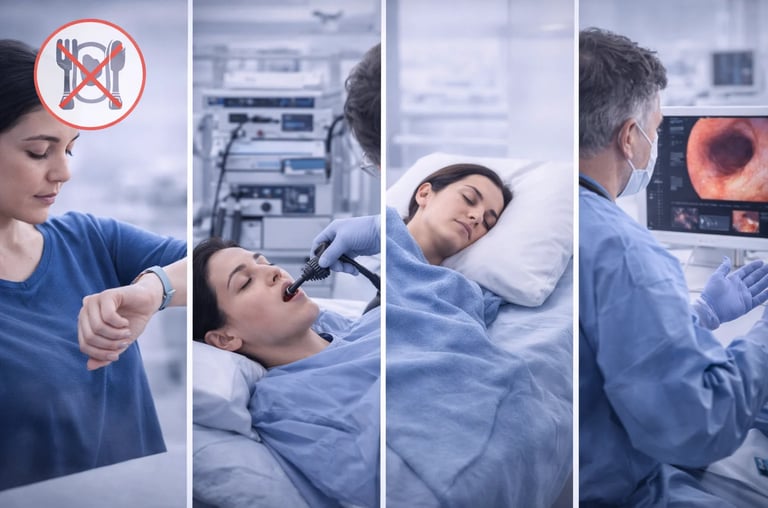
Hearing that you need an endoscopy test can trigger anxiety. What exactly will happen? Will it hurt? How long will it take? These questions are completely natural. Most patients feel nervous before their first endoscopy , but understanding the process from start to finish helps transform uncertainty into manageable expectations.
This guide walks through everything: why doctors order the test , how to prepare , what happens during the procedure , recovery afterward and when you'll get results. By the end , the endoscopy test should feel less mysterious and more like a routine medical examination , which for most patients , it truly is.
Why Doctors Order an Endoscopy Test
An endoscopy test allows doctors to see inside your digestive tract directly. Unlike X-rays or CT scans that show shadows and outlines , endoscopy reveals actual tissue in real color and detail. This direct visualization helps diagnose conditions that other tests might miss.
Doctors order an endoscopy test for various reasons. Persistent heartburn that doesn't respond to medication warrants investigation. Difficulty swallowing needs evaluation to identify the cause. Unexplained abdominal pain , nausea or vomiting may require visual examination. Unexpected weight loss sometimes indicates digestive conditions that endoscopy can identify.
The test also investigates concerning symptoms like vomiting blood , passing black stools or persistent bleeding that suggests a source somewhere in the upper digestive tract. For patients with a family history of digestive cancers or known precancerous conditions , endoscopy provides surveillance that catches problems early.
Beyond diagnosis , an endoscopy test can answer questions raised by other examinations. Abnormal imaging findings often need endoscopic confirmation. Blood tests suggesting digestive problems may prompt direct visualization. For comprehensive understanding of the procedure itself , reviewing what endoscopy involves provides essential background.
The Mayo Clinic notes that upper endoscopy is one of the most commonly performed outpatient procedures , with millions conducted safely each year. This frequency reflects both the procedure's diagnostic value and its excellent safety profile.
Before Your Endoscopy Test
Preparation begins days before the actual procedure. Your endoscopy facility will provide specific instructions , but understanding the general framework helps you plan appropriately.
The most important preparation involves fasting. Your stomach must be empty for the doctor to see clearly and to reduce aspiration risk during sedation. Typically , you'll stop eating solid food eight hours before the procedure. Clear liquids like water , clear broth and apple juice are usually permitted until two to four hours before. Your specific instructions may vary , so follow what your facility provides rather than general guidelines.
Medications require attention well before the procedure date. Blood thinners like warfarin , aspirin , clopidogrel and newer anticoagulants may need adjustment. These medications increase bleeding risk if biopsies are taken. Contact your prescribing physician and the endoscopy facility several days ahead , not the night before , to get specific guidance about which medications to stop and when.
Diabetes medications need modification since you'll be fasting. Taking your usual insulin or oral diabetes medication without eating risks dangerous low blood sugar. Your doctor will provide adjusted dosing instructions for procedure day.
Most other medications can continue as normal with a small sip of water. Blood pressure medications , thyroid medications , seizure medications and heart medications typically continue. However , always confirm rather than assume.
For detailed preparation guidance , endoscopy preparation covers the complete checklist including what to eat , medication management and practical planning.
Transportation arrangements are mandatory , not optional. Sedation impairs your judgment and reflexes for hours after it wears off , even when you feel fine. You cannot drive yourself home. Most facilities require a responsible adult to receive discharge instructions and stay with you afterward. Arrange this early to avoid last-minute scrambling.
Arriving for Your Procedure
On procedure day , arrive at the time specified , typically 30 to 60 minutes before the scheduled endoscopy test. This allows time for check-in , paperwork and preparation.
Wear comfortable , loose-fitting clothing. You'll change into a hospital gown , but comfortable clothes make the before and after portions easier. Leave jewelry , watches and valuables at home. Bring photo identification , insurance cards and any required paperwork.
After check-in , a nurse will review your medical history , confirm your fasting compliance and start an intravenous line. This IV provides access for sedation medications. The nurse will also check vital signs and answer any remaining questions.
You'll meet the physician performing the procedure , who will explain what to expect , discuss potential findings and obtain your informed consent. This is your opportunity to ask questions and voice concerns. Don't hesitate to speak up , the team wants you comfortable and informed.
During the Endoscopy Test
The actual endoscopy test takes surprisingly little time. Most diagnostic upper endoscopies last 10 to 20 minutes. The preparation and recovery take longer than the procedure itself.
You'll lie on your left side on the procedure table. A nurse will administer sedation through your IV. Most patients receive moderate sedation that creates a relaxed , drowsy state. You may remain partially aware or may remember nothing afterward. Either experience is normal.
Once sedated , the physician passes the endoscope through your mouth , down your esophagus , into your stomach and through to the duodenum. The scope is about the thickness of a finger and has a tiny camera and light at the tip. Air gently inflates the digestive tract for better visualization.
The physician examines each area systematically , looking for abnormalities , inflammation , ulcers , growths or other concerns. If suspicious areas appear , small tissue samples called biopsies can be taken through the scope. Biopsy collection is painless because the digestive tract lining lacks pain-sensing nerves.
Many patients wonder about discomfort during the procedure. Sedation significantly reduces awareness and any unpleasant sensations. Most patients report feeling nothing or only vague pressure. For detailed information about comfort during the procedure , is endoscopy painful addresses what patients actually experience.
The NHS describes the procedure as generally well-tolerated , with most patients experiencing minimal discomfort thanks to modern sedation techniques.
After the Procedure
When the examination concludes , the physician removes the scope and you're moved to a recovery area. Sedation effects take time to wear off , typically 30 to 60 minutes before you're alert enough for discharge.
During recovery , nurses monitor your vital signs and watch for any immediate complications. As you wake up , you may feel groggy , slightly confused about time or have little memory of the procedure itself. This is normal sedation effect , not cause for concern.
Common sensations after an endoscopy test include mild throat soreness from the scope passing through , bloating from air introduced during the examination and general grogginess from sedation. These effects typically resolve within hours. The throat soreness may persist a day or two but improves steadily.
Before discharge , a nurse will review aftercare instructions and any preliminary findings the physician can share. You'll receive written instructions to reference at home since sedation can impair memory of verbal conversations.
The remainder of procedure day should be restful. No driving , operating machinery , making important decisions or signing legal documents. Have someone stay with you for several hours. Sedation effects can linger even when you feel recovered.
For guidance on resuming eating , what to eat after endoscopy provides specific recommendations on foods to start with and what to avoid initially.
Getting Your Results
Results from an endoscopy test come in two phases: immediate observations and biopsy findings.
The physician can often share preliminary findings before you leave. Visual observations like inflammation , ulcers , hernias or obvious abnormalities are apparent during the procedure. If everything looked normal , you'll likely hear that reassuring news the same day.
Biopsy results take longer. Tissue samples must be processed , stained , mounted on slides and examined under a microscope by a pathologist. This typically takes three to seven business days , sometimes longer depending on the laboratory and what tests are ordered.
The combination of visual findings and biopsy results provides your complete picture. Visual appearance alone doesn't always tell the whole story. Normal-appearing tissue can harbor microscopic abnormalities. Suspicious-looking tissue sometimes proves benign under the microscope. Both pieces of information matter.
According to the American College of Gastroenterology , most endoscopy tests reveal either normal findings or manageable conditions like gastritis , reflux changes or small polyps. Serious findings occur in a minority of cases.
What Happens Next
Next steps after an endoscopy test depend entirely on what was found.
Normal findings often conclude the investigation. If the endoscopy test was ordered for symptoms that the examination explains or rules out concerning causes , you may simply return to your regular physician for continued management. Reassurance that nothing serious was found is itself a valuable outcome.
Minor findings like mild inflammation , small hiatal hernia or reflux changes typically lead to medication adjustments or lifestyle recommendations. Your gastroenterologist or primary care physician will discuss appropriate management based on the specific findings.
Biopsy-dependent findings require waiting for pathology results before determining next steps. Tissue samples that confirm benign conditions provide reassurance. Samples showing precancerous changes may prompt surveillance scheduling. Samples revealing infection like H. pylori lead to treatment recommendations.
Concerning findings prompt additional evaluation. If the endoscopy test reveals something requiring further workup , your physician will explain what additional testing , imaging or procedures might be needed. Abnormal results don't automatically mean cancer or serious disease , many concerning appearances prove benign after complete evaluation.
Follow-up endoscopy may be recommended in certain situations. Barrett's esophagus requires surveillance. Large polyps may need repeat examination to ensure complete removal. Healing ulcers sometimes warrant repeat visualization to confirm resolution. Your physician will explain if and when repeat examination is appropriate.
When to Seek Medical Attention
While most patients recover uneventfully , certain symptoms after an endoscopy test require prompt medical attention.
Contact your facility or seek care for severe abdominal pain that doesn't improve or worsens over time , fever or chills developing after the procedure , vomiting blood or material resembling coffee grounds , black tarry stools or significant rectal bleeding , chest pain or difficulty breathing , severe throat pain preventing swallowing , or any symptom that concerns you.
For comprehensive information about distinguishing normal recovery symptoms from warning signs , endoscopy side effects covers what's expected versus what needs attention.
Most symptoms after an endoscopy test are minor and self-limited. Knowing the difference between normal recovery and warning signs helps you respond appropriately.
Putting It in Perspective
An endoscopy test is remarkably routine despite feeling significant to patients experiencing it for the first time. The procedure provides diagnostic information that other tests cannot match. Modern sedation makes it comfortable. Serious complications are rare. Most patients describe the experience as far easier than anticipated.
Understanding what to expect removes much of the anxiety surrounding the procedure. The fasting is temporary. The procedure is brief. The recovery is quick. And the information gained often proves invaluable for guiding your care.
Conclusion
An endoscopy test examines your upper digestive tract directly , providing visual and tissue information that guides diagnosis and treatment. Preparation involves fasting and medication adjustments. The procedure itself takes minutes under comfortable sedation. Recovery happens within hours. Results come in stages , with visual findings available immediately and biopsy results following within days.
Knowing what to expect transforms the experience from anxiety-provoking unknown to manageable medical appointment. Most patients find the reality far easier than their imagination suggested.
© 2025. All rights reserved.
About Us
Introduction
Development
Cooperation
Service
Main Products
Medical Grade Monitor
No 15, Jinyang road KunshanSuzhou, Jiangsu, China