📞Customer Service: +86 13248368268 📧servicecenter@suzhoufrank.com one year replacement and warranty!

Upper Endoscopy Procedure: What Happens
Upper endoscopy procedure explained: how to prepare , what happens during the exam , typical duration and what results may show. Complete guide for patients.
ENDOSCOPY
Dr Qi Rui
1/15/20266 min read
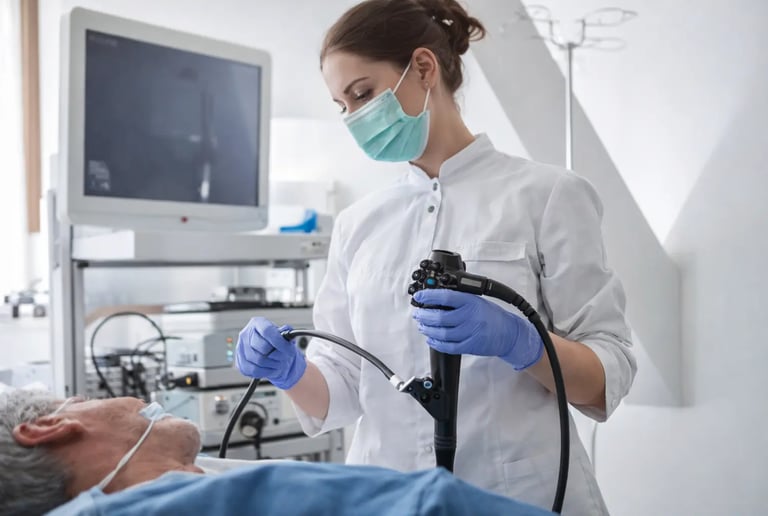
Knowing what to expect makes any medical procedure less intimidating. The procedure of upper endoscopy is one of the most commonly performed diagnostic tests in gastroenterology , yet many patients arrive uncertain about what will actually happen. This guide walks through every step , from preparation through recovery , so you know exactly what the experience involves.
What Upper Endoscopy Examines
Upper endoscopy , also called esophagogastroduodenoscopy or EGD , allows doctors to directly visualize the upper portion of your digestive tract. The procedure examines three specific areas: the esophagus (the tube connecting your throat to your stomach) , the stomach itself and the duodenum (the first part of your small intestine).
This direct visualization serves multiple purposes. Doctors can identify inflammation , ulcers , tumors , strictures and other abnormalities that might cause symptoms. They can take tissue samples for laboratory analysis. They can sometimes treat problems discovered during the examination , such as stopping bleeding or removing polyps.
For a broader understanding of endoscopic procedures generally , reviewing what endoscopy involves provides helpful foundational context.
The American Society for Gastrointestinal Endoscopy describes upper endoscopy as valuable for evaluating symptoms including persistent heartburn , difficulty swallowing , unexplained abdominal pain , nausea , vomiting and gastrointestinal bleeding. The procedure can also detect early cancer and distinguish between cancerous and noncancerous conditions through biopsy.
Preparing for Your Procedure
Proper preparation ensures the procedure of upper endoscopy goes smoothly and safely. Your facility will provide specific instructions , but understanding the general requirements helps you plan.
Fasting is essential. Your stomach must be completely empty for the doctor to see clearly and to minimize aspiration risk during sedation. Most facilities require no food for at least eight hours before the procedure. Clear liquids may be permitted until two to four hours beforehand , but check your specific instructions.
According to the NCBI StatPearls medical reference , American Society for Anesthesiologists guidelines recommend patients fast a minimum of two hours after clear liquids and six hours after light meals for elective upper endoscopy.
Medications require advance planning. Blood thinners including warfarin , aspirin , clopidogrel and newer anticoagulants may need adjustment before the procedure. These medications increase bleeding risk if biopsies are taken. Contact both your prescribing physician and the endoscopy facility several days ahead to get specific guidance.
Most other medications can continue with a small sip of water. Diabetes medications need modification since you'll be fasting. Blood pressure and heart medications typically continue as usual. Always confirm rather than assume.
For comprehensive preparation guidance including checklists and timing , endoscopy preparation covers everything you need to know.
Transportation is mandatory. Sedation impairs judgment and reflexes for hours afterward , even when you feel normal. You cannot drive yourself home. Most facilities require a responsible adult to accompany you , receive discharge instructions and stay with you for several hours after.
Arrival and Pre-Procedure Steps
Arrive at your scheduled time , typically 30 to 60 minutes before the actual procedure. This allows time for check-in , paperwork and preparation.
A nurse will review your medical history , confirm you followed fasting instructions and check your vital signs. An intravenous line will be placed in your arm or hand , providing access for sedation medications and fluids.
You'll change into a hospital gown. Remove dentures , glasses or contact lenses. Leave jewelry and valuables at home or with your companion.
The physician performing the procedure will meet with you to explain what will happen , discuss potential findings and answer questions. This conversation includes informed consent , confirming you understand the procedure , its benefits , risks and alternatives.
This pre-procedure time often feels longer than the procedure itself. Use it to relax , ask any remaining questions and mentally prepare.
What Happens During the Procedure
The actual procedure of upper endoscopy typically takes 10 to 20 minutes , though this varies depending on what's found and whether therapeutic interventions are needed. For more specific timing information , how long endoscopy takes provides detailed breakdowns.
You'll lie on your left side on the procedure table. A nurse will administer sedation medication through your IV. Most patients receive moderate sedation , sometimes called conscious sedation , which creates a relaxed , drowsy state. You may remain partially aware or remember nothing afterward. Both experiences are normal.
The Society of American Gastrointestinal and Endoscopic Surgeons notes that most patients fall asleep during the procedure and find it only slightly uncomfortable.
Your throat may be sprayed with local anesthetic to reduce gag reflex. A mouth guard protects your teeth and the endoscope.
Once you're sedated , the physician gently passes the endoscope through your mouth , down your throat and into your esophagus. The endoscope is a thin , flexible tube about the thickness of a finger with a tiny camera and light at its tip. Despite passing through your throat , it doesn't interfere with breathing.
Air is gently introduced through the scope to inflate the digestive tract slightly , providing better visualization of the tissue surfaces. The physician examines each area systematically , looking at the esophageal lining , stomach walls and duodenal mucosa.
If abnormalities are found , the physician may take biopsies , small tissue samples obtained through instruments passed through the endoscope. Biopsy is painless because the digestive tract lining lacks pain-sensing nerves. Polyps may be removed. Bleeding areas may be treated. Narrowed sections may be dilated.
Many patients wonder whether the procedure hurts. For detailed information about sensation and comfort , is endoscopy painful addresses what patients actually experience.
Recovery After the Procedure
When the examination concludes , the physician withdraws the endoscope and you're moved to a recovery area. The entire in-scope portion typically represents only a fraction of your total facility time.
Sedation effects take time to clear. You'll rest in recovery for 30 to 60 minutes while nurses monitor your vital signs and watch for any immediate concerns. As you wake , you may feel groggy , slightly confused or have little memory of the procedure.
Common sensations after upper endoscopy include mild throat soreness from the scope passing through , bloating and the urge to burp from air introduced during the procedure and general drowsiness from sedation. These effects resolve within hours.
Before discharge , a nurse will review aftercare instructions. The physician may share preliminary findings from the visual examination , though biopsy results require several days for laboratory processing.
The remainder of procedure day should be restful. No driving , operating machinery , making important decisions or signing legal documents. Have someone stay with you. Don't expect to accomplish anything significant.
For guidance on resuming normal eating , what to eat after endoscopy explains what foods to start with and what to avoid.
Understanding Your Results
Results from upper endoscopy come in two parts.
Visual findings are available immediately. The physician sees the tissue surfaces in real time during the procedure. Obvious abnormalities like ulcers , inflammation , masses , hernias or varices are visible during examination. If everything appeared normal , you'll likely hear that reassuring news the same day.
Biopsy results require processing time. Tissue samples are sent to pathology where they're prepared , stained and examined microscopically. This typically takes three to seven business days , sometimes longer for specialized testing.
The Mayo Clinic notes that upper endoscopy is an excellent method for finding causes of upper gastrointestinal bleeding and is more accurate than X-rays for detecting inflammation , ulcers or tumors of the esophagus , stomach and duodenum.
Complete results combine visual observations with pathology findings. Your physician will explain what was found , what it means and what happens next.
For information about what specific findings might indicate , what endoscopy shows explains common results and their significance.
When Further Action Is Needed
Next steps depend entirely on what the procedure of upper endoscopy reveals.
Normal findings often conclude the investigation. If the examination was ordered to evaluate symptoms and nothing concerning was found , you may simply return to your regular physician for continued symptom management with reassurance that serious pathology has been excluded.
Minor findings like mild gastritis , small hiatal hernia or reflux changes typically lead to medication recommendations or lifestyle modifications. These common findings rarely require additional procedures.
Biopsy-dependent results require waiting for pathology. Tissue showing inflammation may prompt treatment. Samples revealing infection like H. pylori lead to antibiotic regimens. Precancerous changes may require surveillance planning. For information about cancer detection specifically , can endoscopy detect cancer explains the procedure's role in cancer diagnosis.
Concerning findings prompt additional evaluation. Further imaging , repeat endoscopy , referral to specialists or additional procedures may be recommended depending on what was discovered.
Follow-up appointments ensure you understand results and next steps. Don't hesitate to call your physician's office if instructions were unclear or if you have questions after leaving the facility.
Risks and Safety
Upper endoscopy is remarkably safe. Millions are performed annually with serious complications occurring rarely.
Common effects like sore throat and bloating aren't complications but expected consequences of the procedure. They resolve without treatment.
Rare complications include bleeding at biopsy sites , perforation (a tear in the digestive tract wall) and reactions to sedation medications. These occur infrequently and are typically manageable when they do occur.
For comprehensive information about safety and when to seek care after the procedure , is endoscopy dangerous covers risks in detail and endoscopy side effects explains what's normal versus concerning.
Warning signs requiring immediate attention include severe abdominal pain , fever , vomiting blood , black stools , chest pain or difficulty breathing. These symptoms are rare but warrant prompt medical evaluation.
Conclusion
The procedure of upper endoscopy provides direct visualization of the esophagus , stomach and duodenum that no other test can match. Preparation involves fasting and medication planning. The procedure itself takes minutes under comfortable sedation. Recovery happens within hours. Results provide valuable diagnostic information that guides further care.
© 2025. All rights reserved.
About Us
Introduction
Development
Cooperation
Service
Main Products
Medical Grade Monitor
No 15, Jinyang road KunshanSuzhou, Jiangsu, China